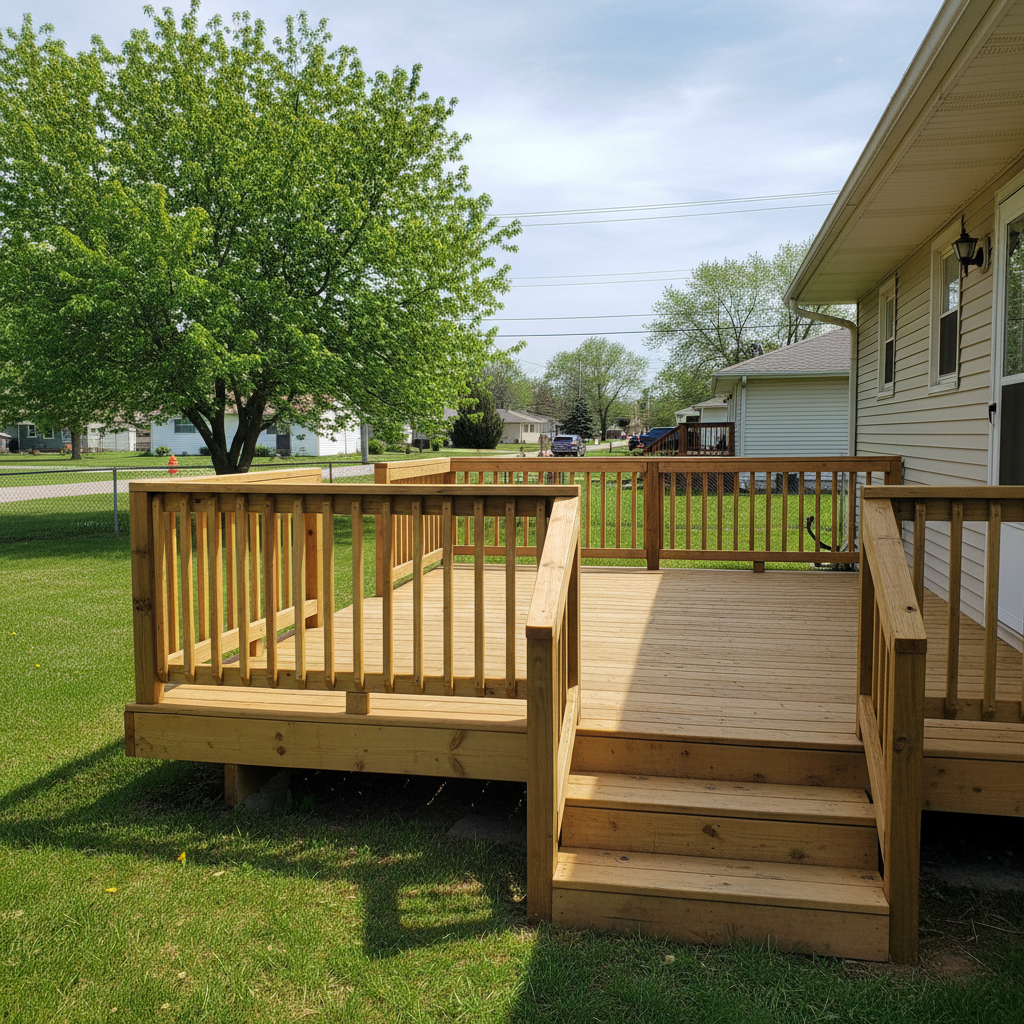
Your deck is a big part of your outdoor living, especially when the weather's good here in Fremont. But like anything exposed to our Nebraska seasons – from those harsh winter freezes to the hot, humid summers – it's gonna need some TLC eventually. When something breaks or starts to rot, you're probably wondering, "What's this going to set me back?"
What Makes Deck Repair Prices Go Up or Down?
It's not as simple as a flat rate, I wish it were. A few things really drive the cost of deck repair:
- The Extent of the Damage: This is huge. Replacing a single rotten deck board is a lot cheaper than tearing out and rebuilding an entire section of framing because of widespread rot. Minor fixes, like a loose railing post or a few popped nails, are on the low end. Major structural issues, like compromised joists or ledger boards? Those are definitely on the high end.
- Type of Material: Are we talking about pressure-treated pine, cedar, or composite decking? Pressure-treated pine is generally the most affordable to replace. Cedar and redwood are pricier. Composite decking, like Trex, can be expensive per board, but it often means we're only replacing a few pieces since it's so durable. If you've got a really old deck with obscure wood species, finding matching materials can sometimes be a challenge, which can push costs up.
- Accessibility: Can we easily get to the damaged area? If we have to dismantle other parts of the deck, work in a really tight space, or deal with landscaping that's grown up around it, that adds time and, naturally, cost.
- Permits: For minor repairs, you usually won't need one. But if the repair involves significant structural changes or rebuilding a large section of the deck – especially if it affects the deck's footprint or height – the City of Fremont might require a permit. That's an added cost and can add time to the project.
- Labor Rates: Every contractor has their own rates, but generally, skilled labor isn't cheap, and it shouldn't be. You're paying for expertise, insurance, and efficiency, right?
Typical Deck Repair Costs in Fremont, NE
Okay, let's get down to some numbers. Keep in mind these are averages, and your specific situation might be different, but this should give you a good idea:
- Minor Repairs (Loose boards, railing sections, popped nails): You're probably looking at anywhere from $150 to $500. This could be fixing a wobbly handrail, replacing a few loose deck screws, or securing a couple of deck boards that have come up. It's usually a quick job, maybe a few hours.
- Mid-Range Repairs (Replacing several deck boards, stair treads, or a small section of railing): This will likely run you between $500 and $1,500. This is where you might have a few rotten boards, maybe some damage from a falling branch, or a couple of stair treads that have seen better days. If we're replacing 5-10 deck boards, this is a good ballpark.
- Major Repairs (Structural issues, widespread rot, replacing a large section of decking or railing): This is where costs can jump significantly, from $1,500 to $5,000 or even more. If the ledger board (the board connecting the deck to your house) is compromised, or several joists are rotten, that's a big job. Sometimes, especially with older decks built before modern codes, we find issues like inadequate footings or poor drainage around the posts, which can lead to extensive rot, especially in the heavier clay soils we have around Fremont. At this point, we're often talking about whether it's more cost-effective to just replace the whole deck.
For something like replacing a single 12-foot pressure-treated deck board, you might pay $75-$150, including labor and materials. A composite board could be $100-$200 for the same length. Replacing a full stair stringer (the side support for your stairs) could be $300-$700 per stringer, depending on complexity.
What Should Your Quote Include?
When Majestic Deck Builders gives you a quote, or any reputable contractor for that matter, you should expect to see a clear breakdown:
- Detailed Scope of Work: Exactly what's being repaired or replaced. No vague language.
- Material Costs: A line item for the wood, fasteners, concrete, etc.
- Labor Costs: How many hours or days they expect the job to take, and at what rate.
- Permit Fees: If applicable, this should be listed separately.
- Cleanup and Debris Removal: This should always be included. You don't want to be left with a pile of old rotten wood.
- Warranty Information: What kind of guarantee do they offer on their work?
Always get it in writing. Always.
How to Avoid Overpaying for Deck Repair
- Don't Wait: A small problem today is a big, expensive problem tomorrow. A loose board can lead to rot, which can spread to joists. Nip it in the bud.
- Get Multiple Bids: Three quotes are usually a good number. It helps you compare not just price, but also the proposed solutions and the contractor's professionalism.
- Check References and Reviews: Don't just go with the cheapest guy. Make sure they're reputable, insured, and have a good track record. Ask your neighbors in the Ridgeview or Country Club areas who they've used.
- Be Specific: When you talk to contractors, be clear about what you want fixed. If you're not sure, ask them to identify all the issues and explain their recommendations.
- Understand the 'Why': If a contractor suggests a more expensive fix, ask them to explain why it's necessary. Sometimes, the cheaper fix is just a band-aid, and the more expensive one is the actual long-term solution.
- Ask About Materials: Can they match your existing materials? Is there an option for a more durable, but slightly more expensive, material that will prevent the same problem from happening again?
Deck repair isn't usually a fun expense, but it's essential for safety and to protect your investment. By understanding what goes into the cost and asking the right questions, you can make sure you're getting a fair deal and a deck that's safe and solid for years to come.