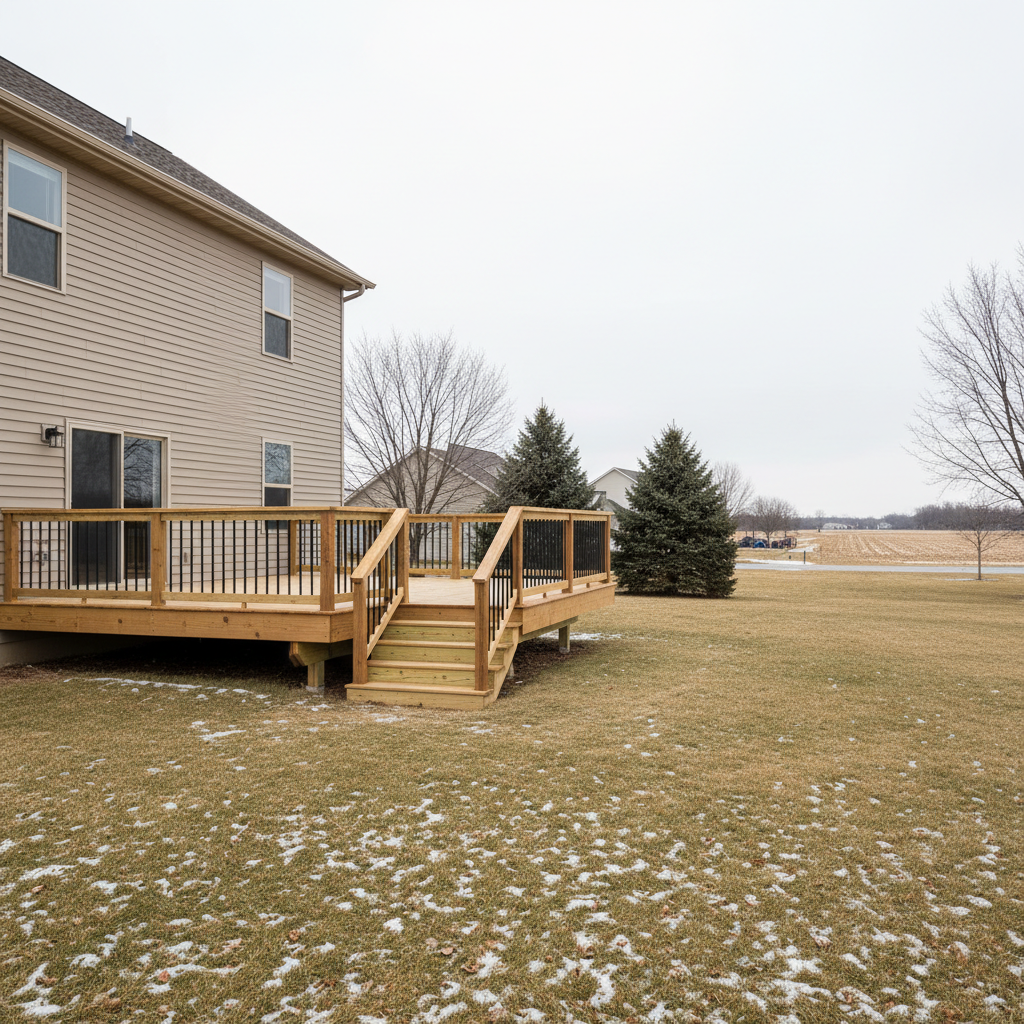
You've got a wooden deck, and you want it to last. Smart move. Here in Fremont, our weather doesn't mess around – from those icy winters to the scorching summers, it really puts outdoor structures through their paces. So, how do you protect your investment and make sure your deck stays safe and beautiful for years? It all comes down to understanding our local climate and knowing when to tackle certain tasks.
Understanding Fremont's Climate and Your Deck
Our climate here in eastern Nebraska is what folks call 'continental.' What does that mean, exactly? Well, we get the full spectrum: hot, humid summers; cold, snowy winters; and some pretty wild swings in between. That's a lot for wood to handle, honestly. Expansion and contraction are constant. And moisture? That's the real enemy, whether it's snowmelt sitting on the surface or humidity soaking into the boards. This constant stress can lead to warping, cracking, and rot if you're not on top of things.
Just think about those freeze-thaw cycles we experience, especially in late winter and early spring. Water seeps into tiny cracks in the wood, then freezes and expands, making those cracks even bigger. It's a relentless process, isn't it? That's why proactive care isn't just a good idea; it's absolutely essential for a wooden deck around here.
When to Schedule Deck Work: Timing is Everything
When it comes to major deck projects like staining, sealing, or even building a new one, timing is crucial. You can't just pick a random weekend and expect the best results, believe me.
- Spring (Late April to Early June): This is prime time for most deck work. Temperatures are usually mild – not too hot, not too cold. The wood has had a chance to dry out from winter moisture, and you're generally past the worst of the spring rains. This window is perfect for cleaning, re-staining, or sealing. If you're building a new deck, starting in spring means you can enjoy it all summer long.
- Summer (July and August): You can still get work done, but you've got to watch the heat and humidity. Stains and sealants might dry too fast in direct sun, leading to uneven application or poor penetration. Early mornings or late afternoons are your best bet if you're doing it yourself. For us, we're careful about scheduling to avoid the hottest parts of the day, especially if we're dealing with a deck that gets full sun all day, like many of those south-facing decks in the Indian Trails neighborhood.
- Fall (September to Mid-October): Another excellent window, especially for maintenance. The air is cooler and drier, which is great for finishes to cure properly. Getting a fresh coat of sealant on before winter hits is a smart move. It gives your deck an extra layer of protection against snow and ice.
- Winter (November to March): Generally, this is a no-go for most exterior deck work. Cold temperatures prevent stains and sealants from adhering or curing correctly. Plus, who wants to be out there in the freezing cold anyway? We're usually focused on indoor projects or planning for the next season during these months.
Weather Conditions That Affect the Work
It's not just the season; it's the specific conditions on the day you're working. You really have to pay attention.
- Temperature: Most stains and sealants have a recommended temperature range, usually between 50 and 90 degrees Fahrenheit. If it's too cold, the product won't cure. Too hot, and it dries too fast, leaving lap marks or not soaking in properly.
- Humidity: High humidity can slow down drying times significantly. If you apply a finish when it's too humid, it might stay tacky for days or not cure correctly, leaving it vulnerable to dirt and mildew.
- Rain: Obvious, right? You need a good, clear forecast. Most products need at least 24-48 hours of dry weather after application to cure. Don't rush it. Check that radar!
- Direct Sunlight: As I mentioned, intense direct sun can make products dry too quickly. Try to work in shaded areas or during cooler parts of the day. Overcast days are often ideal, as long as there's no rain.
Year-Round Protection for Your Wooden Deck
Here's how you can keep your deck in top shape through all four seasons:
Spring Cleaning and Inspection
Once the snow melts and things start to dry out, give your deck a good cleaning. Use a deck cleaner specifically designed for wood to remove mildew, dirt, and grime. A pressure washer can be great, but use it carefully on a low setting; too much pressure can damage the wood fibers. While you're at it, inspect everything: look for loose boards, popped nails, splinters, or signs of rot. Address those small issues before they become big problems. This is also the time for re-staining or sealing if it's due.
Summer Maintenance
Summer's for enjoying your deck, but don't forget simple upkeep. Sweep it regularly to remove leaves, dirt, and pollen. Don't let puddles sit for long after a rainstorm. If you've got potted plants, make sure they're not sitting directly on the wood, trapping moisture underneath. Use risers or move them frequently. Keep an eye out for any mildew growth, especially in shaded areas, and clean it promptly.
Fall Prep for Winter
Before the leaves really start falling, give your deck another thorough cleaning. Remove all debris, especially leaves, which can trap moisture and promote rot if left to sit all winter. Check your sealant. If water isn't beading up on the surface, it's time for another coat. This fall sealing is your deck's last line of defense against the harsh Nebraska winter. Make sure your gutters are clean and draining away from the deck, not onto it.
Winter Care
Even in winter, there's a little you can do. If you get heavy snow, gently clear it off the deck, especially if it's piling up. Don't use a metal shovel that could scratch the surface; a plastic shovel or broom is better. Avoid using rock salt or de-icers on your wooden deck, as these can be corrosive and damage the wood and its finish. If you absolutely need something for traction, look for pet-safe, wood-friendly alternatives like sand.
Taking care of your wooden deck in Fremont isn't a one-and-done job. It's a year-round commitment, but it pays off big time. A well-maintained deck not only looks better, but it's safer and will last much longer, saving you money in the long run. If you're ever unsure about the best approach for your specific deck, or if you've got a project that feels too big to tackle yourself, give us a call at Majestic Deck Builders. We're always happy to lend our expertise.