Do I need a permit to build a pergola in Fremont?
Yep, you probably do. This is one of the first questions folks ask me, and it’s a smart one. Here in Fremont, any structure that's over a certain size or attached to your house usually needs a permit. It's not just the city wanting to know what you're up to; they want to make sure everything's built right, to code, and safe. You really don't want a heavy Nebraska windstorm taking down a poorly built structure, especially if it's close to your house or that fancy new grill. The exact rules can shift, so your best bet is always to check with the Fremont Planning Department before we even start sketching anything out. We can help you figure out what's needed and even handle the permit application process for you at Majestic Deck Builders. It just saves a lot of headaches later on, believe me.
What's the best material for a pergola in our climate?
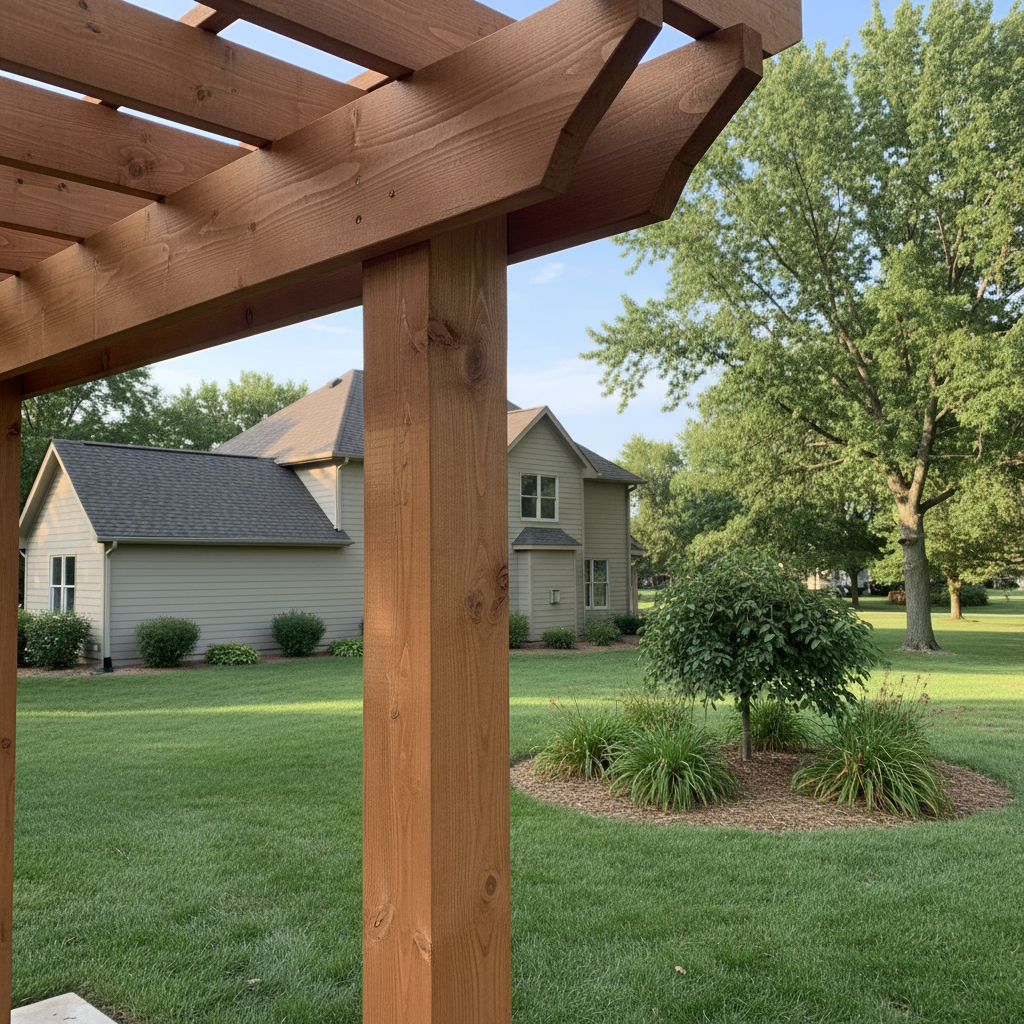
That's a big one, because our weather here in Fremont can get pretty wild. We've got those hot, humid summers, and then the cold, snowy winters, right? So, you need something tough. For pergolas, I generally steer people toward two main options: pressure-treated wood or aluminum. Pressure-treated wood, usually pine or cedar, is a classic choice. It's affordable, looks natural, and with proper staining and sealing, it holds up pretty well. Cedar, by the way, naturally resists rot and insects, which is a nice bonus. The downside with wood is it needs regular attention – staining or painting every few years to keep it looking good and protected from the elements. Aluminum, on the other hand, is a fantastic low-maintenance option. It won't rot, warp, or get eaten by bugs. It's also lighter and comes in various powder-coated colors that really last. It might cost a bit more upfront, but you'll spend way less time fussing with maintenance. I've seen some older wooden pergolas in the older parts of town, like around Military Avenue, that just haven't been kept up, and they look pretty rough. You want something that'll truly stand the test of time here.
How long does it take to build a pergola?
Once we've got the permits sorted and the materials on site, a typical residential pergola usually takes us anywhere from a few days to a week. It really depends on the size, how complex the design is, and the materials we're using. A simple, freestanding structure will be quicker than, say, a large, attached pergola with intricate lattice work or a retractable canopy system. We always aim to work efficiently, but we never cut corners. We'll give you a clear timeline upfront so you know exactly what to expect.
Can a pergola really provide enough shade in the summer?
You bet it can, but it depends on how you design it. A basic pergola with widely spaced rafters offers more filtered light than full shade. It's great for adding architectural interest and defining a space. But if you're looking for serious relief from that Nebraska summer sun, we can incorporate features to boost the shade. Things like:
- Closer rafter spacing: This naturally blocks more direct sunlight.
- Retractable canopies: These are awesome because you can open them up for sun or close them for full shade whenever you want.
- Lattice work: Adding lattice panels to the top or sides can create denser shade and even some privacy, which is always nice.
- Vines: Growing climbing plants like wisteria or grapevines over your pergola eventually creates a beautiful, natural, and very effective shade canopy. Just remember, that takes time to grow.
We'll talk through your shade needs during the design phase to make sure you get exactly what you're looking for.
How much does a pergola typically cost?
This is like asking, "How much does a car cost?" It varies a lot! The price of a pergola depends on several factors: the size, the materials (wood versus aluminum is a big one), how complex the design is, and any additional features like retractable canopies, lighting, or built-in seating. Generally, you can expect to pay anywhere from a few thousand dollars for a smaller, simpler wooden pergola up to $10,000 or more for a larger, custom-designed aluminum structure with all the bells and whistles. We always provide a detailed, transparent quote after we've discussed your specific vision and needs. No surprises, that's how we operate at Majestic Deck Builders.
What kind of maintenance does a pergola need?
Maintenance depends heavily on the material, of course. If you go with pressure-treated wood, you'll want to clean it annually – a good wash with mild soap and water to remove dirt and mildew. Every two to three years, you'll need to reapply a stain or sealant to protect the wood from UV rays and moisture. This prevents warping, cracking, and rot, which nobody wants. For aluminum pergolas, maintenance is super easy. Just an occasional wash with soap and water is usually all it takes to keep it looking new. There's no need for staining or sealing. If you have a retractable canopy, you'll want to keep an eye on the fabric for tears or mildew and clean it according to the manufacturer's instructions. Regardless of material, it's always a good idea to check for any loose fasteners or structural issues once a year, especially after a rough winter. Just a quick visual inspection can save you bigger problems down the line, trust me on that one.