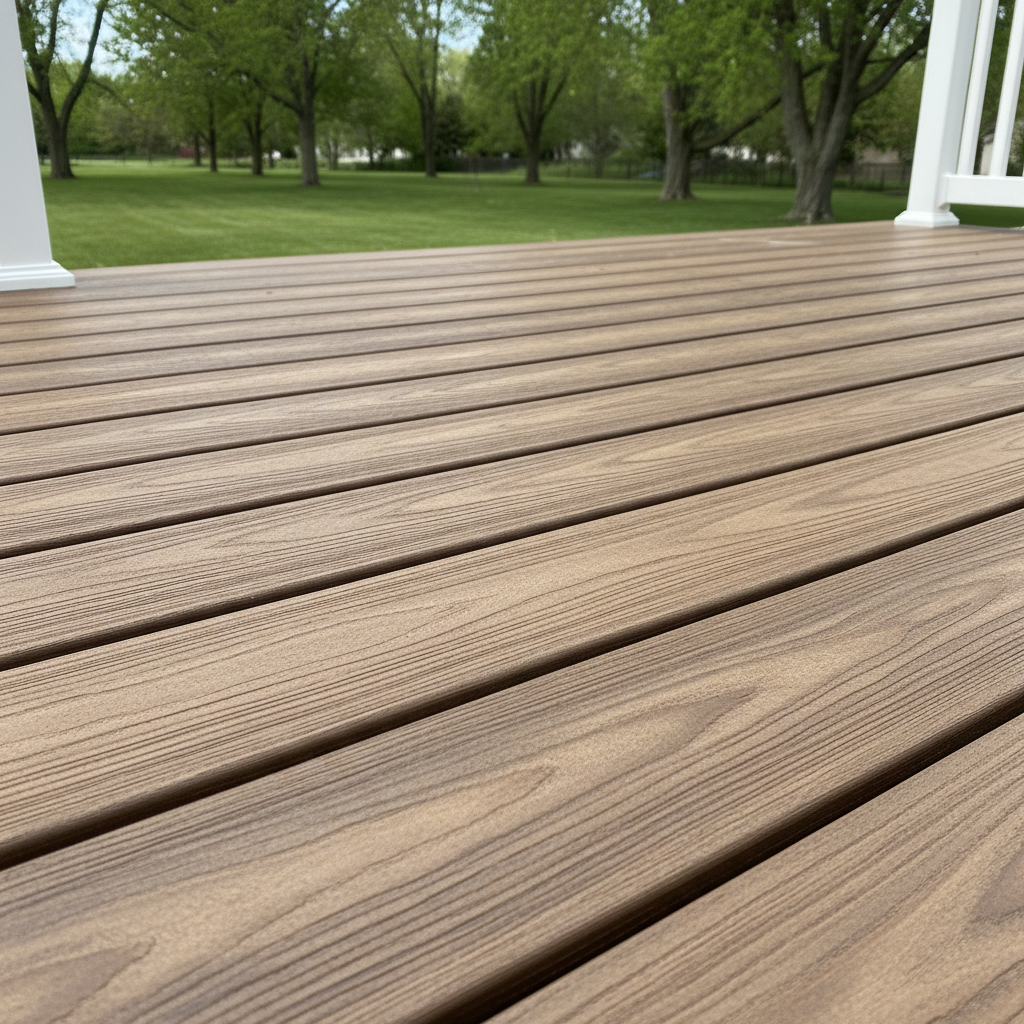
Is Trex really maintenance-free?
That's the million-dollar question, isn't it? And the honest answer is, no, nothing outdoors is truly "maintenance-free." If someone tells you that, they're probably trying to sell you something. What Trex *is*, though, is incredibly low-maintenance compared to wood. You won't be sanding, staining, or sealing it every couple of years. That's a huge win, especially with our crazy Nebraska weather. But you still need to clean it. Dirt, pollen, leaves, even some mold or mildew can build up, just like on any outdoor surface. A good scrub with soap and water, or a gentle power wash (on a low setting, mind you, and from a distance) once or twice a year will keep it looking great. Think of it like washing your car; it's not maintenance-free, but it's a lot less work than repainting it every year.
How long do Trex decks actually last?
Trex decks are built to last a long, long time. We're talking decades here. Most of their lines come with a 25-year limited residential warranty, and some even go up to 50 years for the structural components. Now, that doesn't mean it'll look absolutely brand new after 25 years without any care, but it means it's designed to resist rot, splinters, and insect damage that would destroy a wood deck much faster. The color might fade a tiny bit over time, especially in direct, all-day sun, but it's usually very gradual and even. I've seen Trex decks we installed well over a decade ago in places like the Ridge Road area, and they still look fantastic with just regular cleaning. They really hold up to our hot summers and freezing winters.
Is Trex slippery when wet or icy?
This is a valid concern, especially with our icy winters around Fremont. Trex, like any deck surface, can get slippery when it's wet, icy, or covered in algae. However, newer Trex lines come with textured surfaces that actually provide better traction than smooth, wet wood. They're not inherently more slippery than wood. If you're worried about ice, the same precautions you'd take on a wood deck apply – clear it off promptly. You can use rock salt or calcium chloride, but always check Trex's specific recommendations for de-icers to avoid any potential damage or discoloration. Just like you wouldn't want to use a metal shovel on your deck, be mindful of what you're putting down.
What's the deal with Trex and heat? Does it get super hot?
Okay, this is one area where Trex can differ from wood, especially the darker colors. Composite decking, because of its material and often darker pigments, can absorb and hold more heat than natural wood. On a scorching Fremont summer day, a dark brown or black Trex deck can get pretty warm underfoot. We're talking "barefoot test" warm. Lighter colors will reflect more sunlight and stay cooler. If you're planning a deck that gets direct, all-day sun and you love walking around barefoot, you might want to consider lighter shades like Trex's "Clam Shell" or "Foggy Wharf." It's something to think about during the design phase, not a deal-breaker, but definitely a consideration.
Can I really build a Trex deck myself?
You absolutely can, if you're handy and have the right tools and patience. Trex provides excellent installation guides and videos. The boards cut and fasten much like wood. However, there are some nuances. Proper joist spacing is critical for composite to prevent bowing, and fastening systems (like hidden fasteners) require a bit more precision than just screwing down boards. Also, remember that composite boards are heavier than wood. If you're comfortable with framing, measuring, and detailed work, go for it. But for most folks, especially with larger or more complex designs, hiring a professional like us at Majestic Deck Builders ensures it's done right, safely, and to code. We've got the experience to handle the little tricks that make a big difference in the final product.
What about fading and staining? Will my Trex deck look dingy after a few years?
Modern Trex decking is engineered with a high-performance shell that resists fading, staining, and mold. This isn't like the early generations of composite that sometimes had issues. That outer shell is pretty tough. You'll see minimal fading over time, usually less than 5% over its lifespan, and it's typically very even. As for stains, things like spilled wine, grease from the grill, or even leaf tannins usually wipe right off with a little soap and water. The key is to clean spills promptly. Don't let that BBQ sauce sit there for a week in the sun. If you keep up with basic cleaning, your Trex deck will maintain its rich color and appearance for many, many years. It's one of the biggest advantages over wood, which needs constant protection from the elements to avoid looking weathered.
Is Trex environmentally friendly?
Yes, Trex is actually a really good choice if you're thinking about environmental impact. They make their decking from 95% recycled materials – that's a mix of reclaimed wood fibers and recycled plastic film. Think about all those plastic grocery bags and wood scraps that would otherwise end up in a landfill. Trex diverts billions of pounds of waste from landfills every year. Plus, because it lasts so long and doesn't require harsh chemicals for staining or sealing, it's a sustainable choice over its lifetime. You're not cutting down trees for your deck, and you're reducing waste. That's something we can all feel good about here in Fremont.